Tag: Wood decay
-

Windsor Great Park 2022
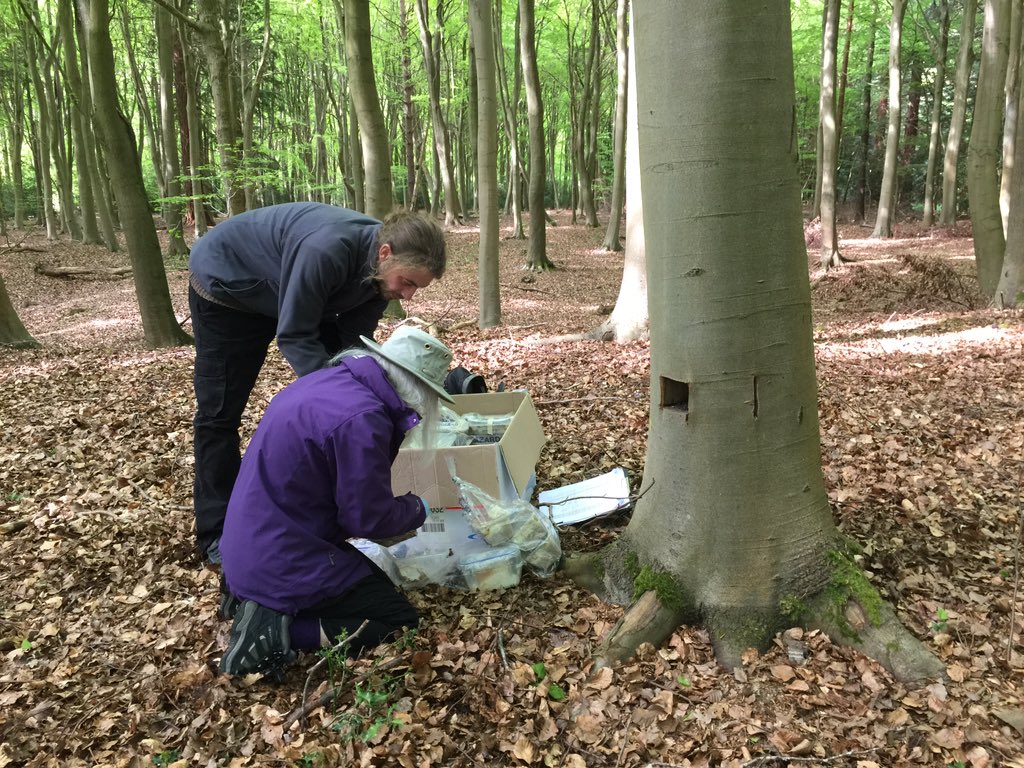
Issy Kite Last week, our team had the amazing opportunity to visit Windsor Great Park and see their amazing collection of ancient and veteran trees and collect some samples! The number of ancient trees was incredible to witness and we saw many signs of wood decay fungi on the oaks. Rich showed all of us…
-
Happy International Women’s day!
Happy International Women’s Day to all you incredible scientists out there! We here in the mycology group are proud of all the incredible women who are and have been a part of this fantastic team! A special shout out of course goes to Professor Lynne Boddy, a truly inspiring woman in STEM. We hope you…
-
2022 Update
The lab here at Cardiff have been busy working away on a number of projects surrounding the fungal communities that exist within oak trees in the UK (primarily Quercus robur). Our current PhD student Rich Wright has been exploring this topic in great detail alongside a team of undergraduate students, via slice experiments and core…
-
Beech heart rot research: autumn update
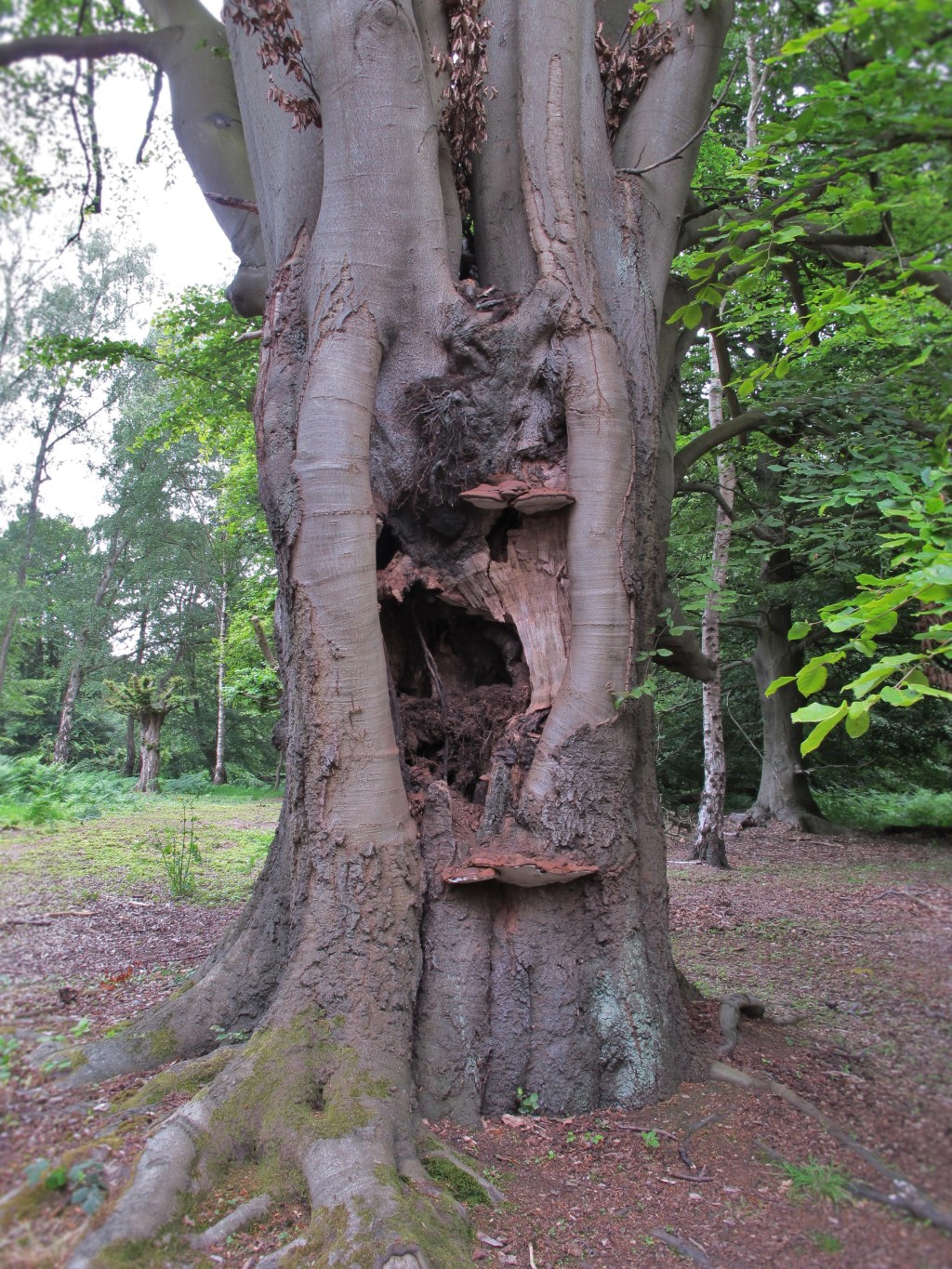
We are now well into mushroom season. These, and other fungal fruiting structures, are often described as like apples on a tree. This analogy is due to the fact that mushrooms bear the reproductive propagules that are subsequently dispersed through the local environment and sometimes farther afield. But unlike apples, mushrooms do not contain seed.…
-
Research Trip – Washington, USA
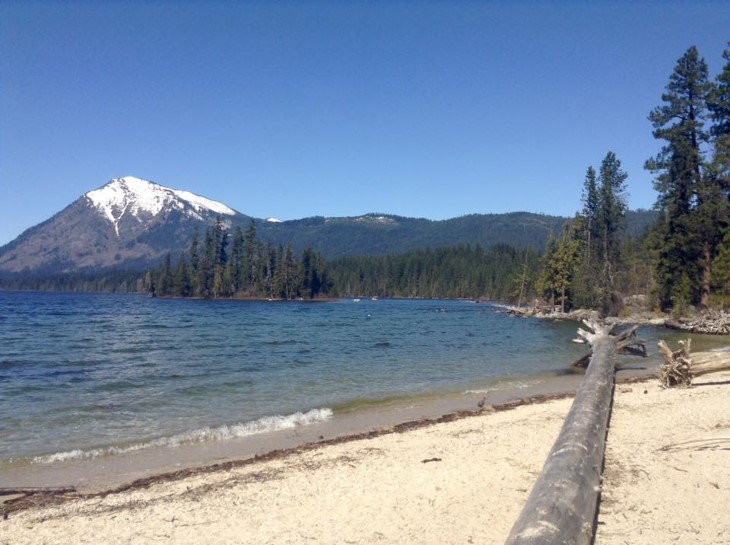
Jade O’Leary Wood decay is brought about by a community of fungi which interact antagonistically with each other, causing the community composition to change. My PhD project explores the interactions of fungi when they are in competition for a wood resource, and the implications of those interactions to wood decay. In March 2016, I travelled…
-
Fungus Wars
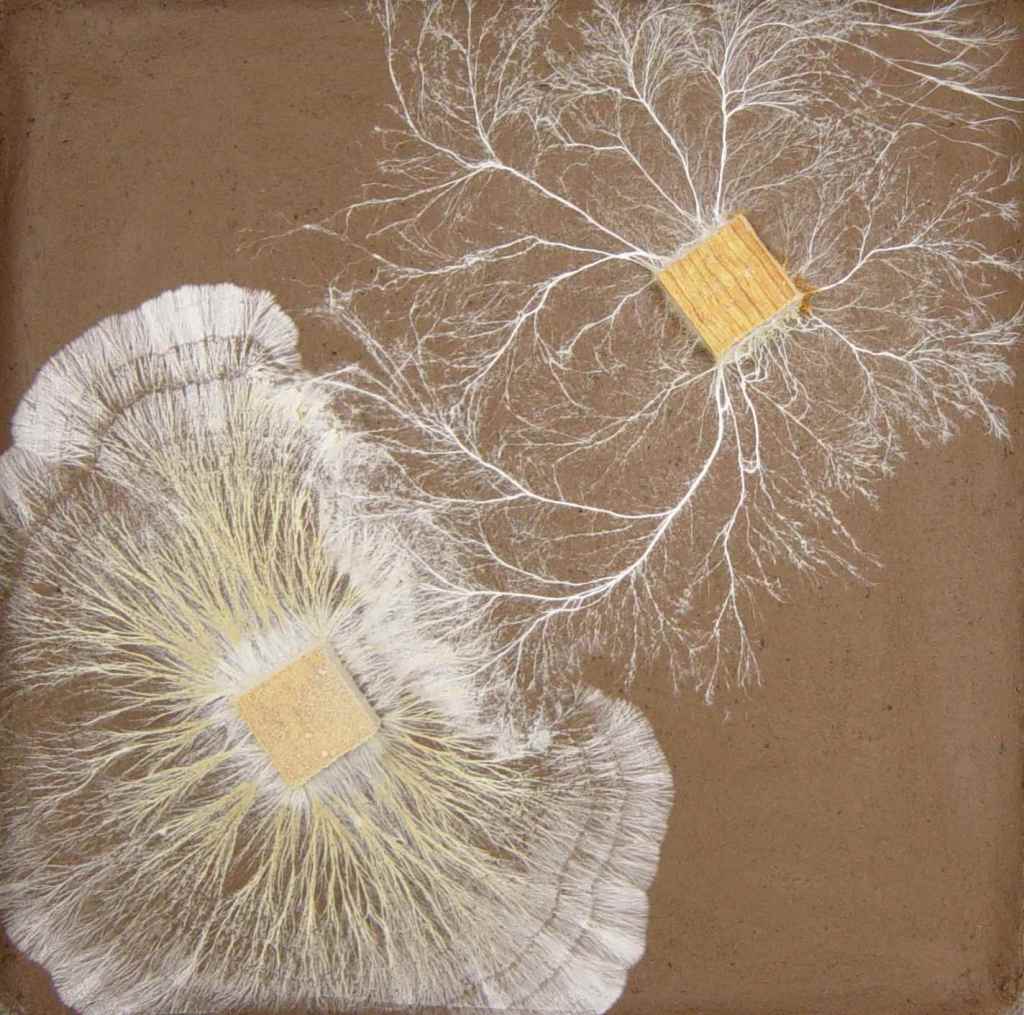
– Lynne Boddy Fungi rarely live alone, so they frequently encounter other fungi, bacteria and invertebrates, and sometimes vertebrates too. Like animals, fungi can distinguish self from non-self. When one mycelium (the main body of the fungus, comprising a network of fine filaments, termed hyphae) meets another, chemical recognition shows whether it is a different…
 Fungal Ecology at Cardiff